

Factory workshop solutions
Typical places
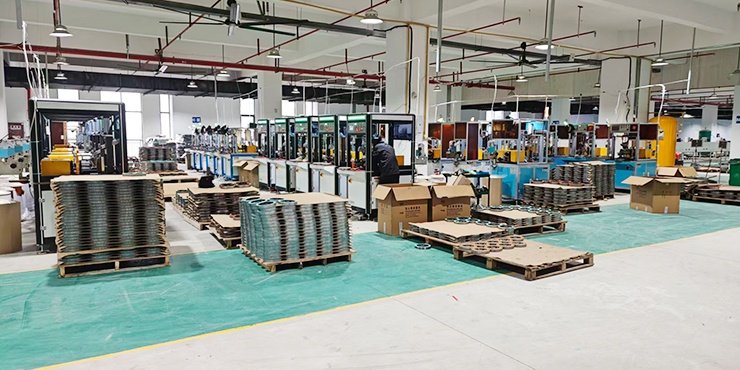
mechanical processing Factory
Auto parts Workshop
Plastic Workshop
Electrical Appliance Factory
Cement and Brick Factory
Clothing and Textile Factory
foodstuffs Factory
Pharmaceutical production workshop
Industry characteristics
Large span | High ceilings | High labor intensity for employees | High heat generation from equipment | Dust and fumes | Toxic gases
Animal husbandry solutions
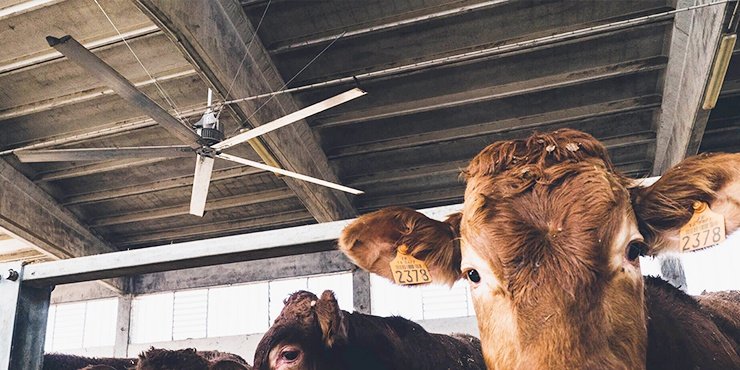
Typical places
dairy farm
pig farm
sheep farm
racecourse
Industry characteristics
High temperature | Humid environment | High germ count | Livestock susceptible to disease | Abundant mosquitoes | Strong odor | High mortality rate | Low milk production
Commercial solutions
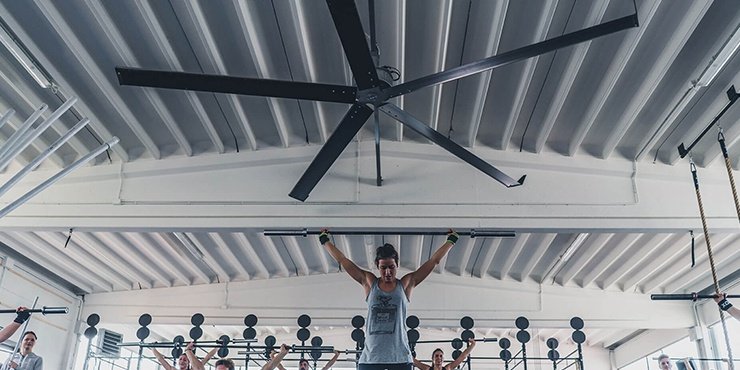
Typical places
business place
public places
Basketball Hall
stadium
Airport
Bus train station
playground
church
Industry characteristics
Large area | Enclosed space | High personnel flow | Poor air quality | Strong odor | Lack of fresh air | Poor air conditioning
Sports Center solutions
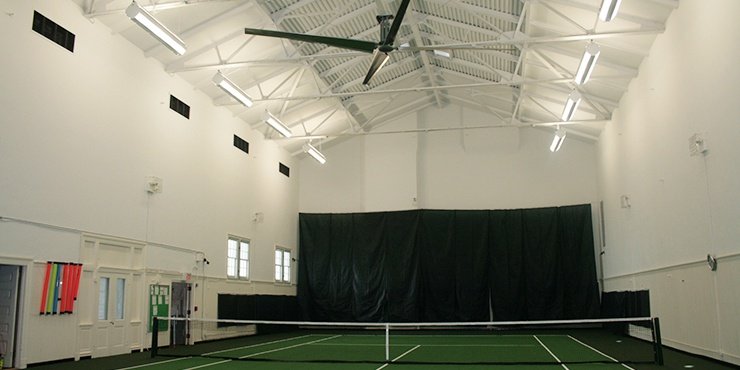
Typical places
stadium
swimming pool
Badminton courts
Basketball courts
Industry characteristics
High ceilings | High population density | High heat generation from movement | High humidity | High air conditioning energy consumption | Poor air circulation | Prone to odors/germs
Industry challenges
1. The venue's spacious and open layout makes it difficult for traditional cooling equipment to cover the entire area, resulting in severe thermal stratification. In summer, the sports area becomes unbearably hot, leading to a poor viewing/training experience, discomfort for participants, and reduced efficiency.
2. Traditional cooling methods have significant drawbacks: small fans provide insufficient coverage and have limited effectiveness; central air conditioning is extremely energy-intensive and costly; localized cooling can cause excessive temperature differences, increasing the risk of colds and disrupting events.
3. Poor air circulation in high-humidity areas such as swimming pools promotes mold and odor growth, and condensation on the floor increases the risk of falls and equipment corrosion, shortening the venue's lifespan.
4. During events/training, the high density of people generates significant amounts of heat, carbon dioxide, and sweat. Poor air circulation leads to odor buildup, bacterial growth, discomfort, health risks, and reduced visitor retention.
5. The complex equipment and traffic flow within the venue, along with the numerous wiring connections for floor cooling equipment, increases the risk of collisions, electric shocks, and other safety accidents. It also occupies sports space and hinders events and training.
6. Large venues need to cover a huge cooling area. Traditional systems occupy a lot of space and consume a lot of energy, which greatly increases operating costs and does not meet the requirements for energy conservation and cost reduction.
Solution advantages
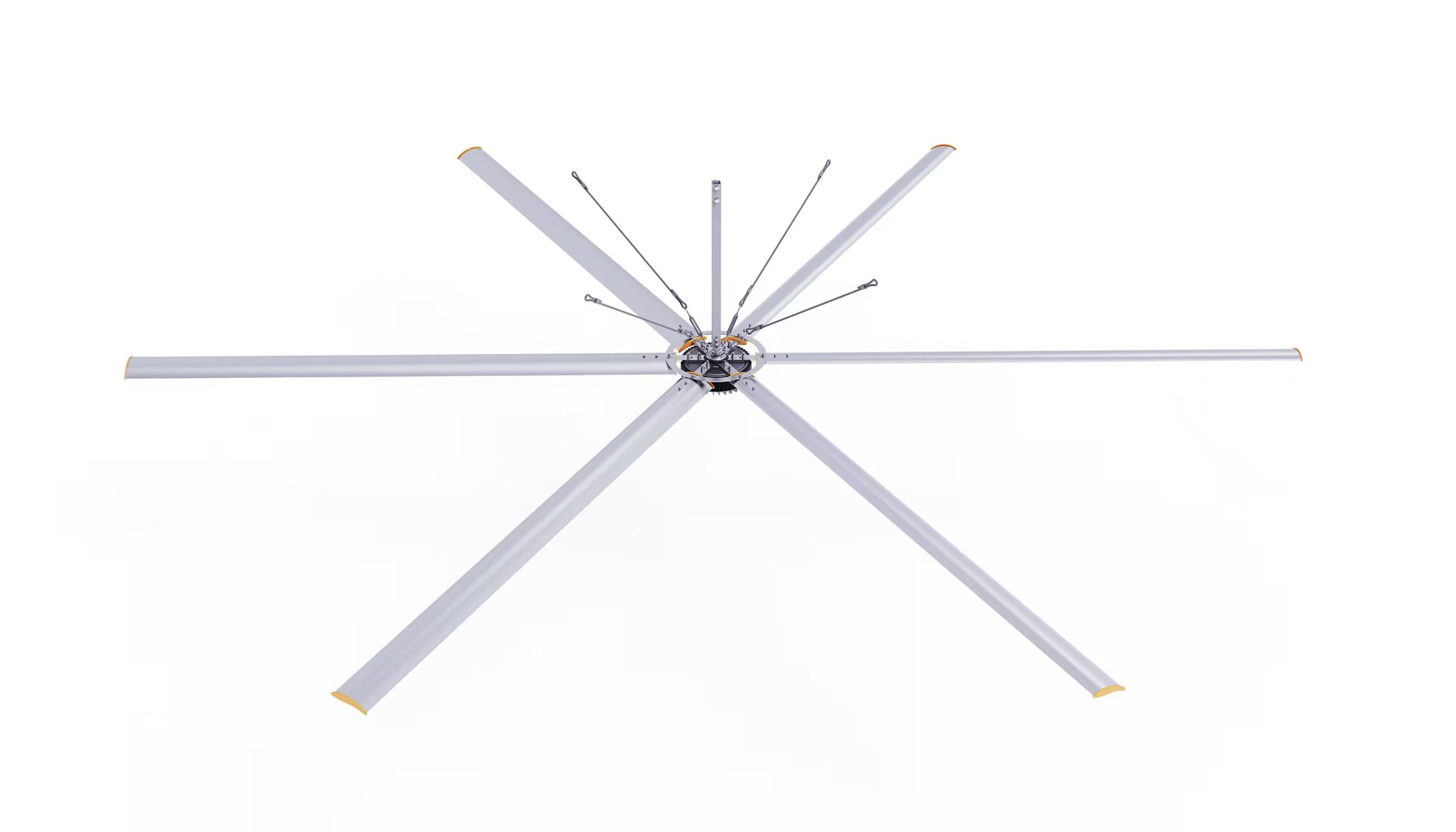
1. Extensive Coverage Cooling: A single large ceiling fan covers an area of over 1000 square meters, gently removing heat from the body surface and providing a cooling effect of 3-7°C, ideal for rapid heat dissipation after exercise.
2. Improved Air Circulation: Promotes overall air circulation, quickly removing sweat and carbon dioxide generated during exercise and introducing fresh outdoor air to maintain a clean venue environment.
3. Dehumidification, Mold Prevention, and Condensation Prevention:Accelerates airflow and exchange between indoor and outdoor areas, removing moisture from areas such as the swimming pool, preventing slippery floors and mold growth on equipment, and improving safety during exercise.
4. Energy Saving and Cost Reduction: Consumes only 0.8 kWh per hour. When used in conjunction with air conditioning, it eliminates temperature stratification, significantly reducing venue air conditioning energy consumption and lowering operating costs.
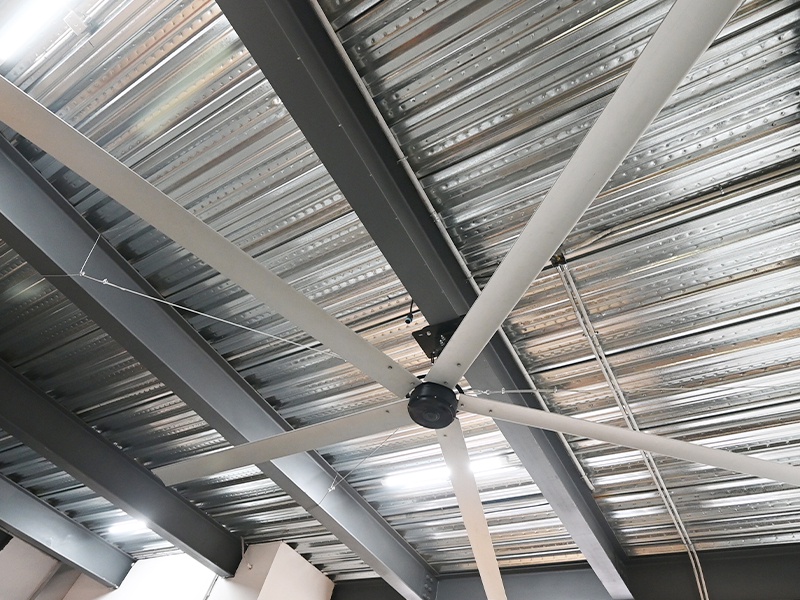
5. Safe and Uninterrupted: The high-altitude installation does not occupy exercise space, avoiding the risk of collisions with personnel and equipment, and does not affect competitions or training.
Recommended products